• OVERVIEW
  • ADMISSION
  • ACCREDITATION
  • CURRICULUM
  • TUITION
  • FINANCIAL AID & SCHOLARSHIPS
  • Advanced Practice Registered Nurse

    About the Program
    About the Program

    The Doctor of Nurse Anesthesia Practice Program (DNAP) is a program is designed for critical care RNs who are looking to advance their practice in anesthesia administration. The curriculum focuses on evidence-based practice, leadership, and health policy training, preparing graduates to meet the evolving needs of patients and healthcare systems.

    SMU Highest Standard
    Why Earn a DNAP?

    With advanced practice skills and leadership training, CRNAs are equipped with research and scholarly skills, contributing to evidence-based practice and healthcare innovation. Additionally, the CRNA role allows you to provide comprehensive anesthesia care, contributing significantly to patient outcomes and safety. 

    SMU Best Career Prospects
    Why SMU?

    Established in 1993 in partnership with Kaiser Permanente Northern California, the DNAP program prepares future CRNAs through rigorous academics, immersive clinical training, and expert faculty mentorship. It aims to increase the number of highly qualified Certified Registered Nurse Anesthetists (CRNAs) nationwide, graduating practice-ready clinicians who deliver high-quality anesthesia care across diverse healthcare settings.

    Degree Requirement: 
    To be considered for the DNAP program, you will need to complete a bachelor’s, master’s, or doctoral degree in nursing from a regionally accredited college or university. 

    Transcripts & Coursework: 

    • Official transcripts of all previous academic and professional coursework completed must be submitted with your application. 

    Coursework that is still in progress: 

    • Coursework that is in progress or will be completed after submitting an application will not be considered. All coursework must be completed before applying to the program. 

    We do not offer transcript review services for prospective applicants. However, we encourage applicants to request our Pre-Application Guide, which includes tools for self-evaluating their academic preparation to meet our application prerequisites. To receive a copy, please contact the Admission Team at admission@samuelmerritt.edu. 

    GPA Requirements: 

    • A minimum cumulative GPA of 3.25 or higher. 
    • A minimum last 60 semester or 90 quarter units GPA of 3.25 or higher. 
    • A minimum science coursework GPA of 3.25 or higher. 

    Please note that admission to nurse anesthesia school is competitive. While we do practice holistic review, meeting minimum GPAs or earning higher GPAs does not guarantee an invitation to interview or admission to the program. 

    If you do not meet the minimum GPA: 

    • You are not eligible to apply. If you are considering repeating coursework to improve your GPAs, please review our repeated coursework requirements. 

    Repeated Coursework: 
    Currently, a maximum of 3 repeated science courses is allowed. Please note that beginning in the 2028 admissions cycle, repeat coursework will not be accepted. 

    The grade for the repeated coursework will replace the original grade if the following conditions are met: 

    • It must have the same number of didactic and/or lab units or course credits. 
    • The courses must be from the same quarter or semester system where applicable. 

    The description of the repeated coursework and the course learning objectives must be equivalent, as determined by the SMU Office of Admissions and the Program Leadership Team. 

    To consider replacing previous grades with repeated coursework, both the original and the repeated coursework syllabi must be uploaded as supplementary documents at the time of application. 

    If you have repeated more than three science courses: 
    If more than 3 courses are repeated, any additional repeated graded coursework will not replace previous coursework but will only be aggregated into cumulative, last 60 semesters/90 quarters, and science GPAs, if applicable. 


    Licensure: 
    Licensure in the State of California is required.  
    Applicants must maintain a current – continuous, active, unrestricted, and unencumbered at all times. 

    Please note that in accordance with the NBCRNA NCE Handbook, revised 12/6/2023, states that students are not eligible to sit for certification if they have been convicted of, or pleaded no contest to, a crime. This policy covers the State of California and licensing in other States. 

    Please note that in accordance with the NBCRNA NCE Handbook, revised 12/6/2023, states that students are not eligible to sit for certification if they are a subject of a pending action or investigation. This policy covers the State of California and licensing in other States. 


    If you are a registered nurse in another state: 
    If you are accepted to the program, your RN license must be current, active, unrestricted, and free of encumbrance in California at the time of matriculation and throughout the duration of the program. 

    Prior Nurse Anesthesia Program Enrollment: 

    • Applicants currently or have previously enrolled in a nurse anesthesia program are not eligible for admission.

    Required Certifications: 

    • BLS, ACLS, PALS, and CCRN (any of the following CCRN: adult, pediatric, neonatal, and critical care) 

    These are all the certifications that are required at the time of matriculation and throughout the duration of the program. 

    Clinical Experience 

    Applicants must: 

    • Be actively practicing as an ICU nurse at the time of application  
    • Have a minimum of 24 consecutive months (4,160 hours) of critical care experience as a registered nurse 

    Experience must be in one of the following: 

    • Surgical ICU  
    • Medical ICU
    • Trauma ICU  
    • Cardiovascular ICU  
    • Neurosurgical ICU  
    • Burn ICU  
    • Neonatal ICU  
    • CT ICU  
    • Pediatric ICU 

    If you have medical-surgical nursing, step-down, telemetry, Emergency, Pre-hospital, Post-anesthesia care unit (Recovery), or other acute care unit. You are on track, but our admission requirements specify that you must be a currently practicing ICU nurse. If your goal is to attend anesthesia school, you should gain experience in the ICU. 

    Shadowing Requirement

    Applicants must complete: 

    • A minimum of 8 hours of clinical shadowing with a Certified Registered Nurse Anesthetist (CRNA) 

    Shadowing with a physician anesthesiologist does not fulfill this requirement. 
    The program does not coordinate or arrange shadowing opportunities; applicants are responsible for securing their own experiences. 


    Admissions Competitiveness 
    Admission to the DNAP program is highly competitive. Not all qualified applicants will be invited to interview or offered admission. Applicants not selected are encouraged to reapply in a future admissions cycle. 

    Samuel Merritt University is accredited by the Western Association of Schools and Colleges (WASC) Senior College and University Commission (WSCUC) 985 Atlantic Avenue, Suite 100, Alameda, CA 94501; 510.748.9001. 

    The Anesthesia-DNP Program is accredited by the Council on Accreditation of Nurse Anesthesia Educational Programs (COA).

    The directors of the Council on Accreditation of Nurse Anesthesia Educational Programs (COA) granted a maximum of 10 years of accreditation to the Doctor of Nurse Anesthesia Practice Program (DNAP) at Samuel Merritt University in Oakland, CA, effective May 22nd, 2024. This decision recognizes the program for providing a graduate-level curriculum leading to an Anesthesia Doctor of Nursing Practice degree award. 

    Given the COA's action, the program will be scheduled for its next consideration of continued accreditation in Spring 2034.

    Council on Accreditation of Nurse Anesthesia Educational Programs
    10275 W. Higgins Road Suite 906
    Rosemont, IL 60018-5603
    224.275.9130
    http://www.coacrna.org
    accreditation@coacrna.org

    SEQUENTIAL COURSE CURRICULUM      COURSE DESCRIPTIONS

    SEMESTER 1
    NURSG 774 – Population Health and Clinical Prevention, 3.0 units
    NURSG 772 – Nursing and Healthcare Science for ANP,  3.0 units
    NURSG 757A/757L-A – Adv. Anatomy, Physiology, and Pathophysiology 1, 5.0 units (lab/lecture - 3/2)
    NURSG 752 – Adv. Pharmacology 1, 4.0 units
    Total 15.0 units


    SEMESTER 2
    NURSG 700 – Evidence-Base Translation for ANP, 3.0 units
    NURSG 720 – ANP Project Conceptualization and Design, 2.0 units
    NURSG 757B/757L-B – Adv. Anatomy, Physiology and Pathophysiology II, 5.0 units (lab/lecture – 3/2)
    NURSG 754 – Adv. Pharmacology II, 4.0 units
    Total 14.0 units


    SEMESTER 3
    NURSG 706 – Information Systems and Technology for APN, 3.0 units
    NURSG 721 – Adv. Nursing Practice Project Management, 2.0 units
    NURSG 749/749L – Adv. Health Assessment, 4.0 units (lab/lecture 3/1)
    NURSG 751/751L — Principles of Anesthesia I, 5.0 units (lab/lecture 4/1)
    Total 14.0 units


    SEMESTER 4
    NURSG 705 – Organizational and Systems Leadership,  3.0 units
    NURSG 755/755L – Principles of Anesthesia II, 5.0 units (lab/lecture 4/1)
    NURSG 726 – Adv. Acute and Chronic Pain Management, 3.0 units
    NURSG 756L – Clinical Anesthesia I, 2.0 units
    Total 13.0 units


    SEMESTER 5
    NURSG 702 – Health Care Policy for Advocacy in Healthcare, 3.0 units
    NURSG 701 – IP: Improving Health Outcomes, 3.0 units
    NURSG 758L – Clinical Anesthesia II, 2.0 units
    NURSG 760/760L – Adv. Principles of Anesthesia I, 5.0 units (lab/lecture 4/1)
    Total 13.0 units


    SEMESTER 6
    NURSG 761L – Clinical Anesthesia III, 3.0 units
    NURSG 762/762L – Adv. Principles of Anesthesia II, 5.0 units (lab/lecture 4/1)
    NURSG 730 – Adv. Nursing Practice Residency I, 1.0 units
    Total 9.0 units


    SEMESTER 7
    NURSG 763L – Clinical Anesthesia IV, 3.0 units
    NURSG 727 – Pharmacology Comprehensive Exam, 1.0 units
    NURSG 731 – Adv. Nursing Practice Residency II, 2.0 units
    Total 6.0 units


    SEMESTER 8
    NURSG 764L – Clinical Anesthesia V, 3.0 units
    NURSG 728 – Oral Comprehensive Exam, 1.0 units
    NURSG 732 – Adv. Nursing Practice Residency II, 2.0 units
    Total 6.0 units


    SEMESTER 9
    NURSG 729 – NCE Prep, 1.0 units
    NURSG 765L – Clinical Anesthesia VI, 3.0 units
    Total 4.0 units

    Grand total 94.0 units

    Note: Italicized courses are 100% online.

    Application Fees  
    Application fees are payable to Nursing’s Centralized Application Service (NursingCAS). Samuel Merritt University does not charge an additional admission fee.  

    Application Fee = $80   

    Non-Refundable Deposits and Fees  
    Students offered admission pay a non-refundable tuition deposit of $350 to secure their seat in the class. Application fees and tuition deposits are non-refundable, whether or not the student withdraws in the first week of the term.  

    Tuition  
    For a detailed summary of annual tuition and all fees for the program, visit Student Accounts.    

    Your nursing education at SMU is an important and valuable investment in your future. Not only will you have the opportunity to pursue a rewarding career in healthcare, but SMU graduates have a loan default rate of less than 1%. This means that students who borrowed to attend SMU have found employment in their chosen field that allows them to pay off their loans. 

    SMU is proud to offer a variety of ways to assist in funding your education, including scholarships, work study, and student loans. The first step in applying for financial aid at SMU is to submit your Free Application for Federal Student Aid (FAFSA).

    SMU offers scholarships and an assortment of resources for funding opportunities outside of the program. Most scholarships are awarded on the basis of financial need. A limited number are awarded for academic merit. Scholarships for nurses include:

    • Sharon Clark Diaz
    • Employee Campaign
    • Marshall Steele, Jr.
    • Hitchcock Heydman
    • Henry & Bernice Bigge
    • Faculty Scholarship
    • Alumni Scholarship
    • Elks of the Year
    • William Breslin

    In addition to the cost of tuition and and fees, financial aid can also cover other indirect educational costs, including:

    • Books and supplies
    • Room and board
    • Transportation
    • Personal expenses
    • Other fees as determined by program/college

    Once you receive your financial aid package, check this budget against your actual living expenses, and we can make necessary adjustments to meet your needs. 

    Detailed information about financial aid, budgeting, total cost, and application processes is available using the button below.

    Financial aid info 

    We realize that the financial aid process can be difficult and overwhelming. We are here to help. Financial aid staff can assist with budgeting, understanding your awards, and understanding the process. The SMU staff is committed to each and every prospective student and enrolled student. We have an open door policy and are available via email or phone at finaid@samuelmerritt.edu or 510.879.9200.

    The Doctor of Nurse Anesthesia Practice Program (DNAP) strives to educate outstanding clinicians who demonstrate a high level of competence in the full scope of anesthesia practice. We are committed to providing innovative educational opportunities that engender reasoned, safe, culturally sensitive, evidence-based practice, and practitioners who value integrity and professionalism. The following technical standards, in conjunction with the academic standards, are requirements for admission, promotion, and graduation. The term “candidate” refers to candidates for admission to the DNAP program as well as current students who are candidates for retention, promotion, or graduation.


    These requirements may be achieved with or without reasonable accommodations, the cost of which will be borne by the institution. These standards should not serve as a deterrent to any candidate with disabilities who desires to pursue a medical education. Candidates with disabilities bring unique perspectives that contribute to the diversity of the student population and will create a diverse healthcare workforce of culturally competent practitioners who can meet the needs of their patients. Candidates with disabilities are encouraged to contact the Disability Resource Center immediately upon acceptance to begin a confidential conversation about possible accommodations necessary to meet these standards. Fulfillment of the technical standards for graduation from the DNAP program does not guarantee that a graduate will be able to fulfill the technical requirements of any specific clinical position.

    Observational skills: A candidate must acquire information as presented through demonstrations and experiences in foundational sciences. Also, a candidate must be able to evaluate a patient accurately and assess relevant health, behavioral, and medical information. Candidates must be able to obtain and interpret information through a comprehensive assessment of patients, correctly interpret diagnostic representations of patient physiologic data, and accurately evaluate patient conditions and responses. Also, candidates must have sufficient capacity to make accurate observations, interpret and effectively participate in the context of patient care and simulated learning activities.  

    Communication skills: Candidate must be able to perceive changes in mood, activity, and posture, and accurately interpret verbal and non-verbal communications from patients and others. Each candidate must have the ability to effectively communicate with patients, their family members, and other professionals in healthcare and classroom settings. The candidate must be able to document patient care to maintain accurate clinical records effectively. 

    Motor skills: The candidate must perform complete physical examinations utilizing multiple types of diagnostic maneuvers. A candidate must be able to perform and assist with procedures, treatments, administration of medication, management and operation of diagnostic and therapeutic medical equipment utilized in the initial administration, maintenance and emergent of anesthesia for patients. The candidate must possess the stamina to meet the demands associated with satisfactory and safe performance in clinical and classroom settings.

    Intellectual-conceptual, integrative, and quantitative abilities: Candidates must be able to learn through a variety of modalities, including but not limited to: classroom instruction; laboratory, including cadaver lab; small group, team, and collaborative activities; individual study; preparation and presentation of reports; and use of computer technology. A candidate must effectively interpret, assimilate, and understand the complex information required to function within the DNAP curriculum including, but not limited to: the ability to comprehend three-dimensional relationships and understand the spatial relationships of structures; effectively participate in individual, small group, and lecture learning modalities in classroom, clinical, and community settings; learn, participate, collaborate, and contribute as a part of a team; synthesize information both in person and via remote technology; interpret causal connections and make accurate, fact-based conclusions based on available data and information; formulate a hypothesis and investigate the potential answers and outcomes; and reach appropriate and accurate conclusions. A candidate must be able to find sources of knowledge, acquire the knowledge through various modalities, and possess the ability to be a lifelong learner.

    Behavioral and social attributes: Candidates must possess the physical, mental, and emotional health required for the application of intellectual abilities and the employment of sound judgment appropriately and promptly. Candidates must be able to function effectively under physically taxing workloads and in times of physical and mental stress. Candidates must accept constructive criticism and display compassion, sensitivity, and empathy, while maintaining professional integrity in addition to professional moral and ethical standards at all times.

    Advanced Practice Registered Nurse

    About the Program
    About the Program

    The Doctor of Nurse Anesthesia Practice Program (DNAP) is a program is designed for critical care RNs who are looking to advance their practice in anesthesia administration. The curriculum focuses on evidence-based practice, leadership, and health policy training, preparing graduates to meet the evolving needs of patients and healthcare systems.

    SMU Highest Standard
    Why Earn a DNAP?

    With advanced practice skills and leadership training, CRNAs are equipped with research and scholarly skills, contributing to evidence-based practice and healthcare innovation. Additionally, the CRNA role allows you to provide comprehensive anesthesia care, contributing significantly to patient outcomes and safety. 

    SMU Best Career Prospects
    Why SMU?

    Established in 1993 in partnership with Kaiser Permanente Northern California, the DNAP program prepares future CRNAs through rigorous academics, immersive clinical training, and expert faculty mentorship. It aims to increase the number of highly qualified Certified Registered Nurse Anesthetists (CRNAs) nationwide, graduating practice-ready clinicians who deliver high-quality anesthesia care across diverse healthcare settings.

    Degree Requirement: 
    To be considered for the DNAP program, you will need to complete a bachelor’s, master’s, or doctoral degree in nursing from a regionally accredited college or university. 

    Transcripts & Coursework: 

    • Official transcripts of all previous academic and professional coursework completed must be submitted with your application. 

    Coursework that is still in progress: 

    • Coursework that is in progress or will be completed after submitting an application will not be considered. All coursework must be completed before applying to the program. 

    We do not offer transcript review services for prospective applicants. However, we encourage applicants to request our Pre-Application Guide, which includes tools for self-evaluating their academic preparation to meet our application prerequisites. To receive a copy, please contact the Admission Team at admission@samuelmerritt.edu. 

    GPA Requirements: 

    • A minimum cumulative GPA of 3.25 or higher. 
    • A minimum last 60 semester or 90 quarter units GPA of 3.25 or higher. 
    • A minimum science coursework GPA of 3.25 or higher. 

    Please note that admission to nurse anesthesia school is competitive. While we do practice holistic review, meeting minimum GPAs or earning higher GPAs does not guarantee an invitation to interview or admission to the program. 

    If you do not meet the minimum GPA: 

    • You are not eligible to apply. If you are considering repeating coursework to improve your GPAs, please review our repeated coursework requirements. 

    Repeated Coursework: 
    Currently, a maximum of 3 repeated science courses is allowed. Please note that beginning in the 2028 admissions cycle, repeat coursework will not be accepted. 

    The grade for the repeated coursework will replace the original grade if the following conditions are met: 

    • It must have the same number of didactic and/or lab units or course credits. 
    • The courses must be from the same quarter or semester system where applicable. 

    The description of the repeated coursework and the course learning objectives must be equivalent, as determined by the SMU Office of Admissions and the Program Leadership Team. 

    To consider replacing previous grades with repeated coursework, both the original and the repeated coursework syllabi must be uploaded as supplementary documents at the time of application. 

    If you have repeated more than three science courses: 
    If more than 3 courses are repeated, any additional repeated graded coursework will not replace previous coursework but will only be aggregated into cumulative, last 60 semesters/90 quarters, and science GPAs, if applicable. 


    Licensure: 
    Licensure in the State of California is required.  
    Applicants must maintain a current – continuous, active, unrestricted, and unencumbered at all times. 

    Please note that in accordance with the NBCRNA NCE Handbook, revised 12/6/2023, states that students are not eligible to sit for certification if they have been convicted of, or pleaded no contest to, a crime. This policy covers the State of California and licensing in other States. 

    Please note that in accordance with the NBCRNA NCE Handbook, revised 12/6/2023, states that students are not eligible to sit for certification if they are a subject of a pending action or investigation. This policy covers the State of California and licensing in other States. 


    If you are a registered nurse in another state: 
    If you are accepted to the program, your RN license must be current, active, unrestricted, and free of encumbrance in California at the time of matriculation and throughout the duration of the program. 

    Prior Nurse Anesthesia Program Enrollment: 

    • Applicants currently or have previously enrolled in a nurse anesthesia program are not eligible for admission.

    Required Certifications: 

    • BLS, ACLS, PALS, and CCRN (any of the following CCRN: adult, pediatric, neonatal, and critical care) 

    These are all the certifications that are required at the time of matriculation and throughout the duration of the program. 

    Clinical Experience 

    Applicants must: 

    • Be actively practicing as an ICU nurse at the time of application  
    • Have a minimum of 24 consecutive months (4,160 hours) of critical care experience as a registered nurse 

    Experience must be in one of the following: 

    • Surgical ICU  
    • Medical ICU
    • Trauma ICU  
    • Cardiovascular ICU  
    • Neurosurgical ICU  
    • Burn ICU  
    • Neonatal ICU  
    • CT ICU  
    • Pediatric ICU 

    If you have medical-surgical nursing, step-down, telemetry, Emergency, Pre-hospital, Post-anesthesia care unit (Recovery), or other acute care unit. You are on track, but our admission requirements specify that you must be a currently practicing ICU nurse. If your goal is to attend anesthesia school, you should gain experience in the ICU. 

    Shadowing Requirement

    Applicants must complete: 

    • A minimum of 8 hours of clinical shadowing with a Certified Registered Nurse Anesthetist (CRNA) 

    Shadowing with a physician anesthesiologist does not fulfill this requirement. 
    The program does not coordinate or arrange shadowing opportunities; applicants are responsible for securing their own experiences. 


    Admissions Competitiveness 
    Admission to the DNAP program is highly competitive. Not all qualified applicants will be invited to interview or offered admission. Applicants not selected are encouraged to reapply in a future admissions cycle. 

    Samuel Merritt University is accredited by the Western Association of Schools and Colleges (WASC) Senior College and University Commission (WSCUC) 985 Atlantic Avenue, Suite 100, Alameda, CA 94501; 510.748.9001. 

    The Anesthesia-DNP Program is accredited by the Council on Accreditation of Nurse Anesthesia Educational Programs (COA).

    The directors of the Council on Accreditation of Nurse Anesthesia Educational Programs (COA) granted a maximum of 10 years of accreditation to the Doctor of Nurse Anesthesia Practice Program (DNAP) at Samuel Merritt University in Oakland, CA, effective May 22nd, 2024. This decision recognizes the program for providing a graduate-level curriculum leading to an Anesthesia Doctor of Nursing Practice degree award. 

    Given the COA's action, the program will be scheduled for its next consideration of continued accreditation in Spring 2034.

    Council on Accreditation of Nurse Anesthesia Educational Programs
    10275 W. Higgins Road Suite 906
    Rosemont, IL 60018-5603
    224.275.9130
    http://www.coacrna.org
    accreditation@coacrna.org

    SEQUENTIAL COURSE CURRICULUM      COURSE DESCRIPTIONS

    SEMESTER 1
    NURSG 774 – Population Health and Clinical Prevention, 3.0 units
    NURSG 772 – Nursing and Healthcare Science for ANP,  3.0 units
    NURSG 757A/757L-A – Adv. Anatomy, Physiology, and Pathophysiology 1, 5.0 units (lab/lecture - 3/2)
    NURSG 752 – Adv. Pharmacology 1, 4.0 units
    Total 15.0 units


    SEMESTER 2
    NURSG 700 – Evidence-Base Translation for ANP, 3.0 units
    NURSG 720 – ANP Project Conceptualization and Design, 2.0 units
    NURSG 757B/757L-B – Adv. Anatomy, Physiology and Pathophysiology II, 5.0 units (lab/lecture – 3/2)
    NURSG 754 – Adv. Pharmacology II, 4.0 units
    Total 14.0 units


    SEMESTER 3
    NURSG 706 – Information Systems and Technology for APN, 3.0 units
    NURSG 721 – Adv. Nursing Practice Project Management, 2.0 units
    NURSG 749/749L – Adv. Health Assessment, 4.0 units (lab/lecture 3/1)
    NURSG 751/751L — Principles of Anesthesia I, 5.0 units (lab/lecture 4/1)
    Total 14.0 units


    SEMESTER 4
    NURSG 705 – Organizational and Systems Leadership,  3.0 units
    NURSG 755/755L – Principles of Anesthesia II, 5.0 units (lab/lecture 4/1)
    NURSG 726 – Adv. Acute and Chronic Pain Management, 3.0 units
    NURSG 756L – Clinical Anesthesia I, 2.0 units
    Total 13.0 units


    SEMESTER 5
    NURSG 702 – Health Care Policy for Advocacy in Healthcare, 3.0 units
    NURSG 701 – IP: Improving Health Outcomes, 3.0 units
    NURSG 758L – Clinical Anesthesia II, 2.0 units
    NURSG 760/760L – Adv. Principles of Anesthesia I, 5.0 units (lab/lecture 4/1)
    Total 13.0 units


    SEMESTER 6
    NURSG 761L – Clinical Anesthesia III, 3.0 units
    NURSG 762/762L – Adv. Principles of Anesthesia II, 5.0 units (lab/lecture 4/1)
    NURSG 730 – Adv. Nursing Practice Residency I, 1.0 units
    Total 9.0 units


    SEMESTER 7
    NURSG 763L – Clinical Anesthesia IV, 3.0 units
    NURSG 727 – Pharmacology Comprehensive Exam, 1.0 units
    NURSG 731 – Adv. Nursing Practice Residency II, 2.0 units
    Total 6.0 units


    SEMESTER 8
    NURSG 764L – Clinical Anesthesia V, 3.0 units
    NURSG 728 – Oral Comprehensive Exam, 1.0 units
    NURSG 732 – Adv. Nursing Practice Residency II, 2.0 units
    Total 6.0 units


    SEMESTER 9
    NURSG 729 – NCE Prep, 1.0 units
    NURSG 765L – Clinical Anesthesia VI, 3.0 units
    Total 4.0 units

    Grand total 94.0 units

    Note: Italicized courses are 100% online.

    Application Fees  
    Application fees are payable to Nursing’s Centralized Application Service (NursingCAS). Samuel Merritt University does not charge an additional admission fee.  

    Application Fee = $80   

    Non-Refundable Deposits and Fees  
    Students offered admission pay a non-refundable tuition deposit of $350 to secure their seat in the class. Application fees and tuition deposits are non-refundable, whether or not the student withdraws in the first week of the term.  

    Tuition  
    For a detailed summary of annual tuition and all fees for the program, visit Student Accounts.    

    Your nursing education at SMU is an important and valuable investment in your future. Not only will you have the opportunity to pursue a rewarding career in healthcare, but SMU graduates have a loan default rate of less than 1%. This means that students who borrowed to attend SMU have found employment in their chosen field that allows them to pay off their loans. 

    SMU is proud to offer a variety of ways to assist in funding your education, including scholarships, work study, and student loans. The first step in applying for financial aid at SMU is to submit your Free Application for Federal Student Aid (FAFSA).

    SMU offers scholarships and an assortment of resources for funding opportunities outside of the program. Most scholarships are awarded on the basis of financial need. A limited number are awarded for academic merit. Scholarships for nurses include:

    • Sharon Clark Diaz
    • Employee Campaign
    • Marshall Steele, Jr.
    • Hitchcock Heydman
    • Henry & Bernice Bigge
    • Faculty Scholarship
    • Alumni Scholarship
    • Elks of the Year
    • William Breslin

    In addition to the cost of tuition and and fees, financial aid can also cover other indirect educational costs, including:

    • Books and supplies
    • Room and board
    • Transportation
    • Personal expenses
    • Other fees as determined by program/college

    Once you receive your financial aid package, check this budget against your actual living expenses, and we can make necessary adjustments to meet your needs. 

    Detailed information about financial aid, budgeting, total cost, and application processes is available using the button below.

    Financial aid info 

    We realize that the financial aid process can be difficult and overwhelming. We are here to help. Financial aid staff can assist with budgeting, understanding your awards, and understanding the process. The SMU staff is committed to each and every prospective student and enrolled student. We have an open door policy and are available via email or phone at finaid@samuelmerritt.edu or 510.879.9200.

    The Doctor of Nurse Anesthesia Practice Program (DNAP) strives to educate outstanding clinicians who demonstrate a high level of competence in the full scope of anesthesia practice. We are committed to providing innovative educational opportunities that engender reasoned, safe, culturally sensitive, evidence-based practice, and practitioners who value integrity and professionalism. The following technical standards, in conjunction with the academic standards, are requirements for admission, promotion, and graduation. The term “candidate” refers to candidates for admission to the DNAP program as well as current students who are candidates for retention, promotion, or graduation.


    These requirements may be achieved with or without reasonable accommodations, the cost of which will be borne by the institution. These standards should not serve as a deterrent to any candidate with disabilities who desires to pursue a medical education. Candidates with disabilities bring unique perspectives that contribute to the diversity of the student population and will create a diverse healthcare workforce of culturally competent practitioners who can meet the needs of their patients. Candidates with disabilities are encouraged to contact the Disability Resource Center immediately upon acceptance to begin a confidential conversation about possible accommodations necessary to meet these standards. Fulfillment of the technical standards for graduation from the DNAP program does not guarantee that a graduate will be able to fulfill the technical requirements of any specific clinical position.

    Observational skills: A candidate must acquire information as presented through demonstrations and experiences in foundational sciences. Also, a candidate must be able to evaluate a patient accurately and assess relevant health, behavioral, and medical information. Candidates must be able to obtain and interpret information through a comprehensive assessment of patients, correctly interpret diagnostic representations of patient physiologic data, and accurately evaluate patient conditions and responses. Also, candidates must have sufficient capacity to make accurate observations, interpret and effectively participate in the context of patient care and simulated learning activities.  

    Communication skills: Candidate must be able to perceive changes in mood, activity, and posture, and accurately interpret verbal and non-verbal communications from patients and others. Each candidate must have the ability to effectively communicate with patients, their family members, and other professionals in healthcare and classroom settings. The candidate must be able to document patient care to maintain accurate clinical records effectively. 

    Motor skills: The candidate must perform complete physical examinations utilizing multiple types of diagnostic maneuvers. A candidate must be able to perform and assist with procedures, treatments, administration of medication, management and operation of diagnostic and therapeutic medical equipment utilized in the initial administration, maintenance and emergent of anesthesia for patients. The candidate must possess the stamina to meet the demands associated with satisfactory and safe performance in clinical and classroom settings.

    Intellectual-conceptual, integrative, and quantitative abilities: Candidates must be able to learn through a variety of modalities, including but not limited to: classroom instruction; laboratory, including cadaver lab; small group, team, and collaborative activities; individual study; preparation and presentation of reports; and use of computer technology. A candidate must effectively interpret, assimilate, and understand the complex information required to function within the DNAP curriculum including, but not limited to: the ability to comprehend three-dimensional relationships and understand the spatial relationships of structures; effectively participate in individual, small group, and lecture learning modalities in classroom, clinical, and community settings; learn, participate, collaborate, and contribute as a part of a team; synthesize information both in person and via remote technology; interpret causal connections and make accurate, fact-based conclusions based on available data and information; formulate a hypothesis and investigate the potential answers and outcomes; and reach appropriate and accurate conclusions. A candidate must be able to find sources of knowledge, acquire the knowledge through various modalities, and possess the ability to be a lifelong learner.

    Behavioral and social attributes: Candidates must possess the physical, mental, and emotional health required for the application of intellectual abilities and the employment of sound judgment appropriately and promptly. Candidates must be able to function effectively under physically taxing workloads and in times of physical and mental stress. Candidates must accept constructive criticism and display compassion, sensitivity, and empathy, while maintaining professional integrity in addition to professional moral and ethical standards at all times.

    Featured Events

    Additional Information

    GPA Requirements: 

    • A minimum cumulative GPA of 3.25 or higher. 
    • A minimum last 60 semester or 90 quarter units GPA of 3.25 or higher. 
    • A minimum science coursework GPA of 3.25 or higher. 

    Please note that admission to nurse anesthesia school is competitive. While we do practice holistic review, meeting minimum GPAs or earning higher GPAs does not guarantee an invitation to interview or admission to the program. 

    If you do not meet the minimum GPA: 

    • You are not eligible to apply. If you are considering repeating coursework to improve your GPAs, please review our repeated coursework requirements. 

    Repeated Coursework: 
    Currently, a maximum of 3 repeated science courses is allowed. Please note that beginning in the 2028 admissions cycle, repeat coursework will not be accepted. 

    The grade for the repeated coursework will replace the original grade if the following conditions are met: 

    • It must have the same number of didactic and/or lab units or course credits. 
    • The courses must be from the same quarter or semester system where applicable. 

    The description of the repeated coursework and the course learning objectives must be equivalent, as determined by the SMU Office of Admissions and the Program Leadership Team. 

    To consider replacing previous grades with repeated coursework, both the original and the repeated coursework syllabi must be uploaded as supplementary documents at the time of application. 

    If you have repeated more than three science courses: 
    If more than 3 courses are repeated, any additional repeated graded coursework will not replace previous coursework but will only be aggregated into cumulative, last 60 semesters/90 quarters, and science GPAs, if applicable. 

    Licensure: 
    Licensure in the State of California is required.  
    Applicants must maintain a current – continuous, active, unrestricted, and unencumbered at all times. 

    Required Certifications: 

    • BLS, ACLS, PALS, and CCRN (any of the following CCRN: adult, pediatric, neonatal, and critical care) 
    • These are all the certifications required at the time of matriculation and throughout the program. All certifications must be approved by the American Heart Association (AHA) and administered by an AHA-authorized center.


    Clinical Experience 

    Applicants must: 

    • Be actively practicing as an ICU nurse at the time of application  
    • Have a minimum of 24 consecutive months (4,160 hours) of critical care experience as a registered nurse 

    Experience must be in one of the following: 

    • Surgical ICU  
    • Medical ICU
    • Trauma ICU  
    • Cardiovascular ICU  
    • Neurosurgical ICU  
    • Burn ICU  
    • Neonatal ICU  
    • CT ICU  
    • Pediatric ICU 

    If you have medical-surgical nursing, step-down, telemetry, Emergency, Pre-hospital, Post-anesthesia care unit (Recovery), or other acute care unit. You are on track, but our admission requirements specify that you must be a currently practicing ICU nurse. If your goal is to attend anesthesia school, you should gain experience in the ICU. 
     

    Shadowing Requirement

    Applicants must complete: 

    • A minimum of 8 hours of clinical shadowing with a Certified Registered Nurse Anesthetist (CRNA) 

    Shadowing with a physician anesthesiologist does not fulfill this requirement. 
    The program does not coordinate or arrange shadowing opportunities; applicants are responsible for securing their own experiences. 


    Clinical Experiences

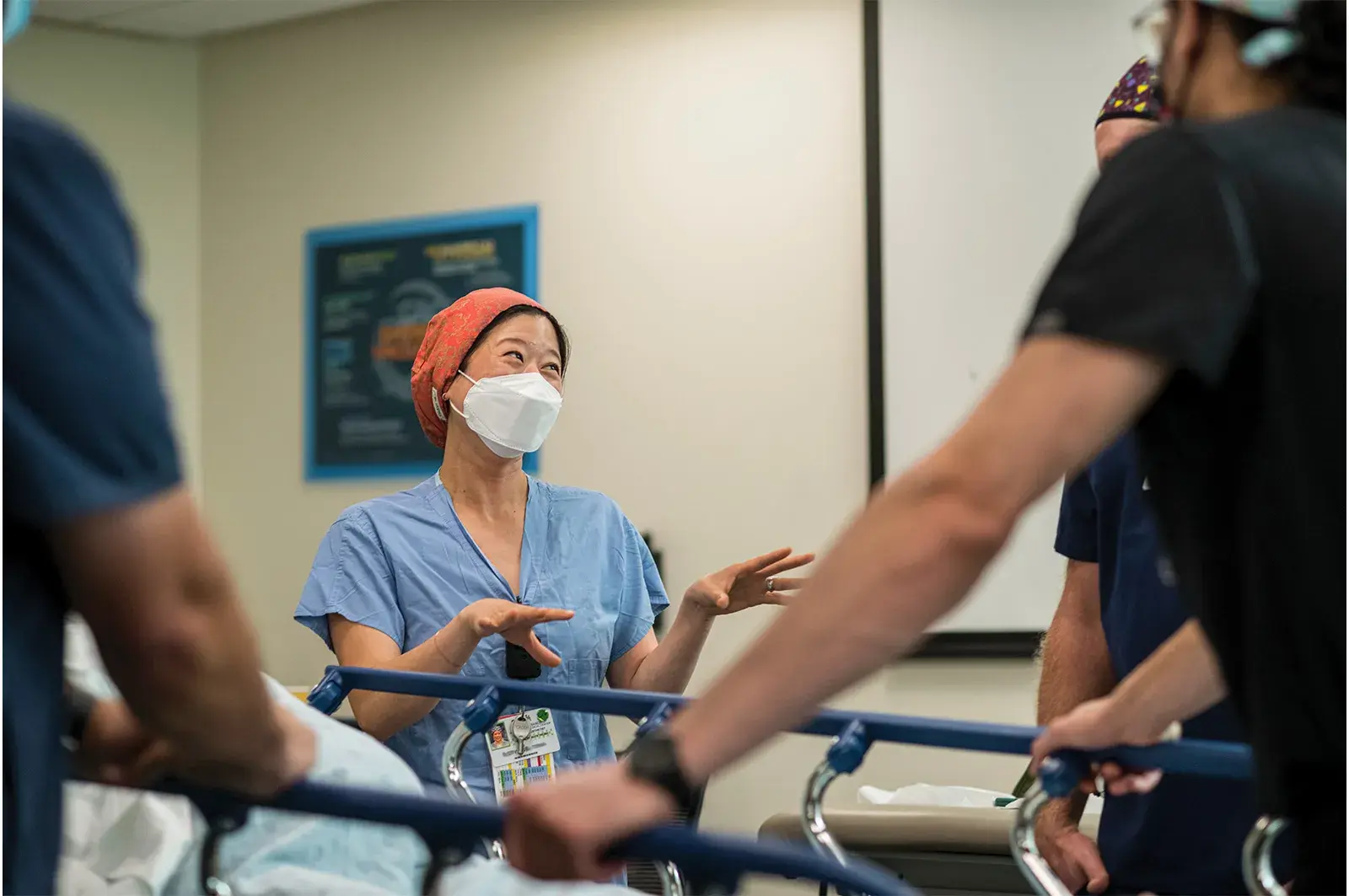
    Students complete a 24-month clinical residency that encompasses diverse practice settings, including but not limited to large academic medical, trauma centers, community hospitals, rural hospitals, critical access hospitals, in medically underserved and healthcare provider shortage areas. Practice settings include CRNA independent, anesthesia care team, and medical direction practice models.

    Clinical Sites

    Community Regional Medical Center, Fresno
    David Grant Medical Center, Travis Air Force Base, Fairfield
    El Camino Health-Mountain View Hospital, Mountain View
    Fresno Veterans Administration Medical Center, Fresno
    Highland General Hospital, Oakland
    Kaiser Permanente Medical Center, Walnut Creek
    Kaiser Permanente Medical Center, Antioch
    Kaiser Permanente Medical Center, Fresno
    Kaiser Permanente Medical Center, North Sacramento
    Kaiser Permanente Medical Center, Oakland
    Kaiser Permanente Medical Center, Richmond
    Kaiser Permanente Medical Center, Redwood City
    Kaiser Permanente Medical Center, Roseville
    Kaiser Permanente Medical Center, Santa Clara
    Kaiser Permanente Medical Center, San Francisco
    Kaiser Permanente Medical Center, San Jose
    Kaiser Permanente Medical Center, Folsom
    Kaiser Permanente Medical Center, Fremont
    Kaiser Permanente Medical Center, San Leandro
    Kaiser Permanente Medical Center, San Rafael
    Kaiser Permanente Medical Center, Santa Rosa
    Kaiser Permanente Medical Center, South Sacramento
    Kaiser Permanente Medical Center, South San Francisco
    Kaiser Permanente Medical Center, Vacaville
    Kaiser Permanente Medical Center, Vallejo
    Kaweah Delta Medical Center, Visalia
    Kern Medical Center, Bakersfield
    Kern Medical Surgery Center, Bakersfield
    Mercy Medical Center, Mount Shasta
    San Francisco General Hospital, San Francisco
    San Francisco Veterans Administration Medical Center, San Francisco
    San Joaquin General Hospital, French Camp
    St. Agnes Medical Center, Fresno
    St. Helena Hospital, Napa
    St. Joseph’s Medical Center, Stockton
    Stanford Medical Center, Palo Alto
    Sutter Medical Center, Sacramento
    UC Davis Medical Center, Sacramento
    UC San Francisco Mission Bay Hospital, San Francisco
    UC San Francisco Parnassus Hospital, San Francisco
    UC San Francisco Mount Zion Hospital, San Francisco
     

    Mission

    The Doctor of Nurse Anesthesia Practice Program strives to educate skilled clinicians and healthcare leaders who are vigilant in the delivery of care and exercise cultural competency throughout the full scope of anesthesia practice.

    Vision

    We will become nationally recognized as a premier nurse anesthesia program through innovative instruction, a solid foundation in science-based theories, and translational research.

    Values

    Doctor of Nurse Anesthesia Practice Program (DNAP) program and our faculty are led by:

    • Inclusivity
    • Wellness
    • Integrity
    • Grit
    • Professionalism

    PLO1: Integrate nursing science with biomedical knowledge and evidence-based interprofessional best practices for the highest level of nursing practice.

    PLO2: Provide leadership for the organization, delivery, quality, safety, sustainability, accountability, responsiveness, and continuous improvement in healthcare.

    PLO3: Translate evidence into practice, evaluate practice, improve outcomes of care, and participate in collaborative research.

    PLO4: Identify, appraise, implement, and evaluate information technology and systems to provide and improve care.

    PLO5: Design, advocate, and implement healthcare policy to support equitable and inclusive healthcare access, financing, regulation, safety, quality, and efficacy.

    PLO6: Provide leadership to facilitate collaborative team functioning and interprofessional practice to improve healthcare outcomes.

    PLO7: Analyze health risks within the biological, environmental, cultural, and socioeconomic determinants of health to develop, implement, and evaluate clinical prevention measures to improve population health.

    PLO8: Practice in a specialty role using advanced levels of clinical judgment, systems thinking, accountability, and innovation to design, deliver, and evaluate evidence-based care to improve healthcare outcomes.

    DNAP Attrition Rates

    Class of 2025 - 0%

    DNAP NCE First-time Pass Rates (NBCRNA)

    Class of 2025 - 92%

    DNAP Graduation Rate *

    Class of 2025 - 100%

    DNAP Employment Rate in the Profession (within six months of graduation) **

    Class of 2025 - 100%

    *Percent of entering Cohort Graduated Within 150% of the Expected Time

    **Employment data only includes graduates who responded to SMU Alumni or Employer Surveys; the employment rate is not necessarily representative of graduates who did not respond to SMU Alumni or Employer Surveys.


    Doctor of Nurse Anesthesia Practice Program (DNAP) program strives to educate outstanding clinicians who demonstrate a high level of competence in the full scope of anesthesia practice. We are committed to providing innovative educational opportunities that engender reasoned, safe, culturally sensitive, evidence-based practice, and practitioners who value integrity and professionalism. The following technical standards, in conjunction with the academic standards, are requirements for admission, promotion, and graduation. The term “candidate” refers to candidates for admission to the DNAP program as well as current students who are candidates for retention, promotion, or graduation.

    These requirements may be achieved with or without reasonable accommodations, the cost of which will be borne by the institution. These standards should not serve as a deterrent to any candidate with disabilities who desires to pursue a medical education. Candidates with disabilities bring unique perspectives that contribute to the diversity of the student population and will create a diverse healthcare workforce of culturally competent practitioners who can meet the needs of their patients. Candidates with disabilities are encouraged to contact the Disability Resource Center immediately upon acceptance to begin a confidential conversation about possible accommodations necessary to meet these standards. Fulfillment of the technical standards for graduation from the DNAP program does not guarantee that a graduate will be able to fulfill the technical requirements of any specific clinical position.

    Observational skills: A candidate must acquire information as presented through demonstrations and experiences in foundational sciences. Also, a candidate must be able to evaluate a patient accurately and assess relevant health, behavioral, and medical information. Candidates must be able to obtain and interpret information through a comprehensive assessment of patients, correctly interpret diagnostic representations of patient physiologic data, and accurately evaluate patient conditions and responses. Also, candidates must have sufficient capacity to make accurate observations, interpret and effectively participate in the context of patient care and simulated learning activities.  

    Communication skills: Candidate must be able to perceive changes in mood, activity, and posture, and accurately interpret verbal and non-verbal communications from patients and others. Each candidate must have the ability to effectively communicate with patients, their family members, and other professionals in healthcare and classroom settings. The candidate must be able to document patient care to maintain accurate clinical records effectively. 

    Motor skills: The candidate must perform complete physical examinations utilizing multiple types of diagnostic maneuvers. A candidate must be able to perform and assist with procedures, treatments, administration of medication, management and operation of diagnostic and therapeutic medical equipment utilized in the initial administration, maintenance and emergent of anesthesia for patients. The candidate must possess the stamina to meet the demands associated with satisfactory and safe performance in clinical and classroom settings.

    Intellectual-conceptual, integrative, and quantitative abilities:  Candidates must be able to learn through a variety of modalities, including but not limited to: classroom instruction; laboratory, including cadaver lab; small group, team, and collaborative activities; individual study; preparation and presentation of reports; and use of computer technology. A candidate must effectively interpret, assimilate, and understand the complex information required to function within the DNAP curriculum including, but not limited to, the ability to comprehend three-dimensional relationships and understand the spatial relationships of structures; effectively participate in individual, small group, and lecture learning modalities in classroom, clinical, and community settings; learn, participate, collaborate, and contribute as a part of a team; synthesize information both in person and via remote technology; interpret causal connections and make accurate, fact-based conclusions based on available data and information; formulate a hypothesis and investigate the potential answers and outcomes; and reach appropriate and accurate conclusions. A candidate must be able to find sources of knowledge and acquire the knowledge through various modalities, and possess the ability to be a lifelong learner.

    Behavioral and social attributes: Candidates must possess the physical, mental, and emotional health required for the application of intellectual abilities and the employment of sound judgment appropriately and promptly. Candidates must be able to function effectively under physically taxing workloads and in times of physical and mental stress. Candidates must accept constructive criticism and display compassion, sensitivity, and empathy while maintaining professional integrity in addition to professional moral and ethical standards at all times.

    Why SMU for Registered Nurse Anesthetists?

    We’ve been preparing nurse professionals for success in the field for more than 100 years.

    Faculty to Student Ratio

    At SMU, we’re all about small classes and personalized education.

    Graduates Employed Within 6 Months

    Our nurse anesthetists are heavily recruited experts in their field. (MSN historic data)

    Annual Median Salary for Nurse Anesthetists in California (according to U.S. Bureau of Labor Statistics).

    CRNAs are among the highest paid RNs in the field.

    Featured Faculty

    Our nursing faculty prepare more nurses in Northern California than anyone. Their expertise in best practices, outcomes-based healthcare, and interprofessional simulation is unrivaled. They prepare nurses for careers in all levels of the field, from entry-level clinical positions to advanced careers in primary care and nursing leadership.

    ora-bollinger

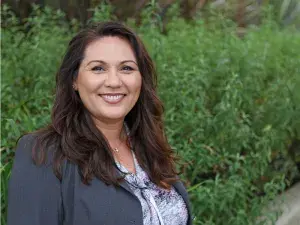
    Orophenia Bollinger

    MSN, CRNA Assistant Professor
    joe-janakes

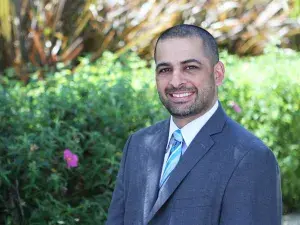
    Joseph Janakes

    PhD, CRNA Program Director, MSN Nurse Anesthesia Assistant Professor

    SMU Perspectives

    MSN-Nurse Anesthesia, SMU Magazine
    “This is a school that doesn’t just look at a diversity statement and say, ‘Ok, this is us.’ This is a school whose actions speak everything about what they believe.”
    Wallena Gould, founder/director Diversity CRNA Nurse anesthetists have become more diverse at SMU and nationwide thanks to a pivotal alliance
    Read my Story